How to Properly Store Red and White Wine

August 14, 2025
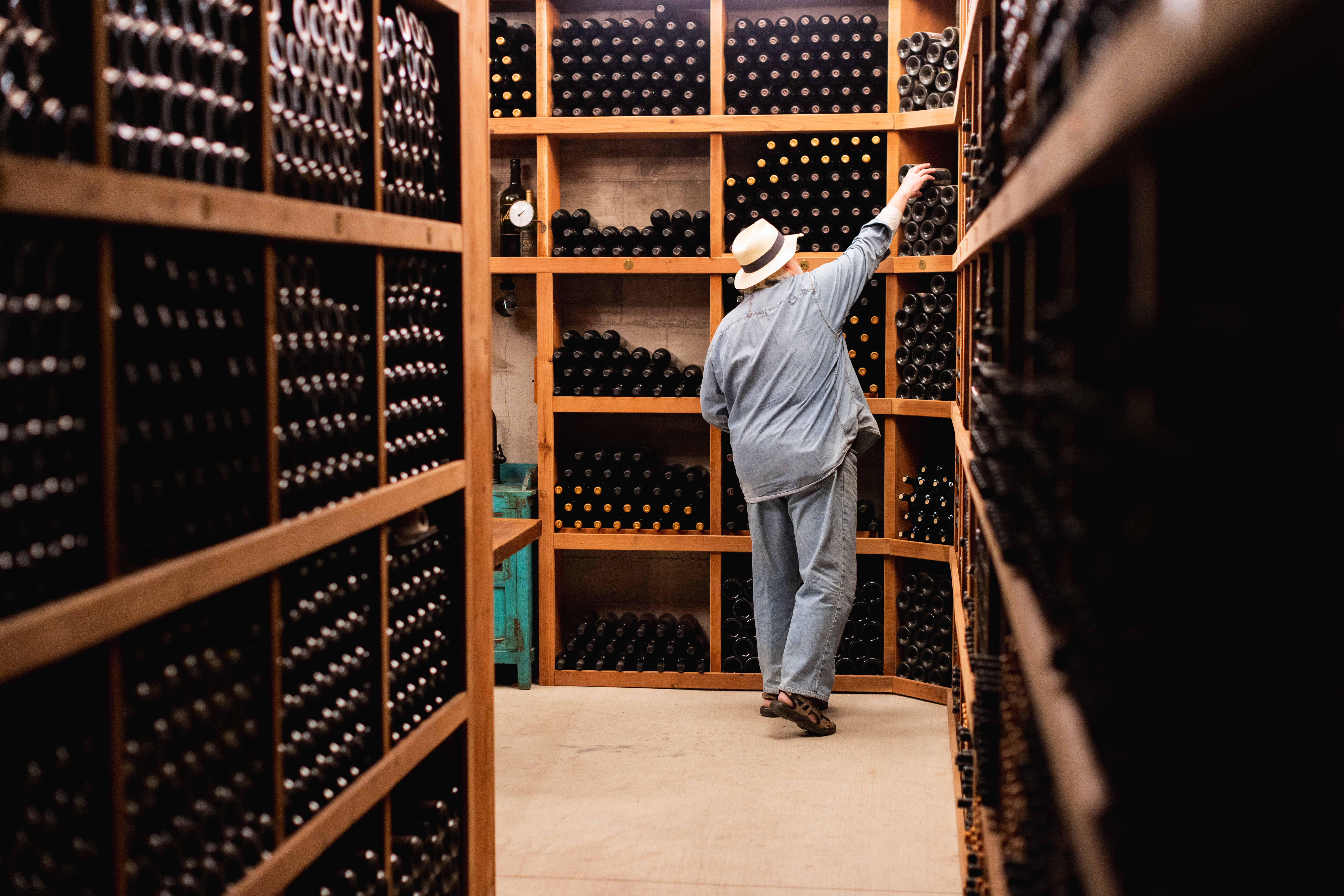
We’ve all seen a cool, vintage bottle before. Wines that have been stored over many years and in turn have become more valuable for it. Wine, however, isn’t something you can just leave unattended and expect to get better over time. It takes making sure your wine is in a place with the right conditions. We reached out to Jim Gerakaris, the longtime Winery Sommelier and Wine Educator from JUSTIN Vineyards & Winery, now retired, who was happy to share his best practices for storing wine in the long-term.
Key Takeaways
-
Wine stays happiest near a steady 55°F, while daily swings of 5–8°F can ruin bottles quickly.
-
Humidity belongs between 60% and 80%, or corks can dry out and labels may mold.
-
Store bottles on their sides so corks stay moist and sediment settles along the bottom.
Whether you’re stocking up on Paso Robles wine or grabbing a few bottles from your local shop, learning how to properly store red wine and how to properly store white wine can help preserve both quality and taste. Wine is sensitive to its environment, and even casual drinkers will notice the difference when bottles are stored correctly. Understanding the correct way to store wine at home will ensure you get the most out of every bottle—whether it’s opened next week or years down the line.
Wine Storage Basics: Do's and Don'ts for Storing Wine at Home
If you have a temperature and humidity-controlled wine fridge, cellaring your wine can be easy. All you need to do is keep the temperature of the fridge somewhere in the low to mid 50’s. This applies to all varietals of white or red wine.
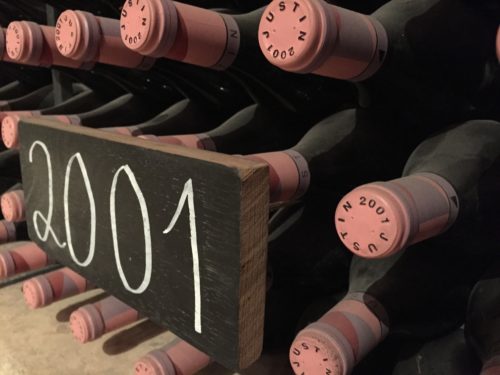 But a wine fridge isn’t the only way to cellar wine if you have the right spaces to keep wines in your home. You can use a closet or storage space centrally located within your home, or a basement that is well insulated (having your wines sit on a cement floor is an added plus). The idea behind this is making sure the wines do not experience temperature swings, which can end up pushing the corks in and out of the bottle and ruin the wine in the process.
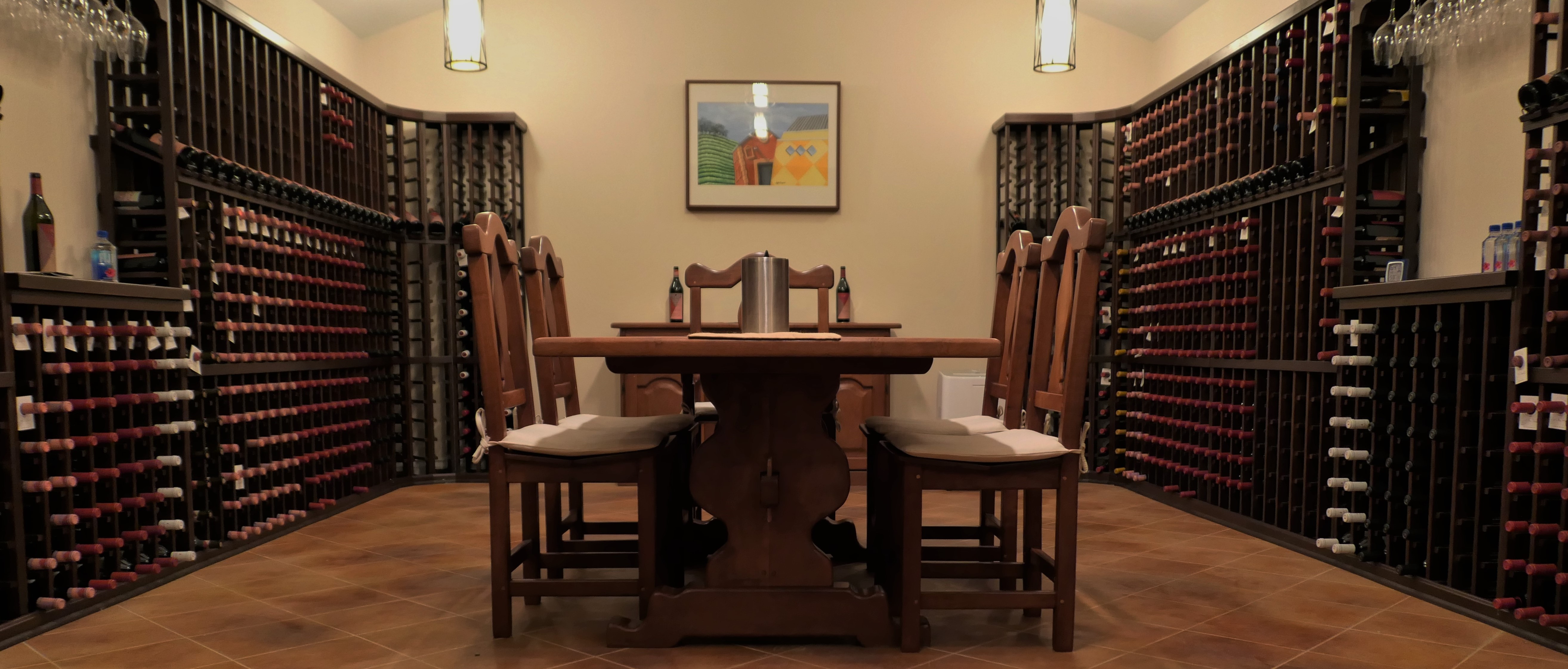
For most casual wine lovers, a dedicated wine cellar isn’t necessary—but creating a wine-friendly space at home is still essential. Proper wine storage begins with finding a location that stays consistently cool, dark, and free from vibrations. A simple closet, pantry, or basement corner can serve as a great wine storage solution if the conditions are right. When it comes to storing wine at home, the most important factors are temperature consistency, darkness, and cork moisture.
Whether or not you stock up on Paso Robles Wine on your next trip to or order wines to be shipped be sure to follow these six rules.
6 Pro Tips for Long-Term Wine Storage at Home
Ideal Wine Storage Temperature for Red and White Wine
The most important characteristic of a cellar is its temperature. The temperature that you will want to store a wine might be different than the temperature you will want to serve it. There are two considerations for your cellar temperature:
Average Temperature – The target temperature of your cellar is the starting point for planning a passive cellar (one that does not use any cooling device). The optimum storage temperature for any wine is 55°F (~13°C), but you can safely store wine long-term in a range between about 45°F (~7°C) to 65°F (~18°C) if there is not a large change in temperature each day. Wines stored toward the upper end of the range will change a little more quickly than wines at the bottom of the range. Wines stored at the lower end of the range may accumulate some small tartrate crystals at the bottle of the bottle or around the cork. While these are not harmful, they can be avoided by staying more toward the center of the temperature range. Food refrigerators are meant for food storage, so they are kept at 38°F (~3°C) which is too cold for long-term wine storage.
Temperature Variation – The temperature of your cellar needs to be as constant as possible. Changes of a few degrees over a couple of months is not problematic, but daily changes of 5-8° F or more can ruin your wine relatively quickly.If you’re wondering how to properly store red wine versus white wine, the good news is that both can be stored at the same consistent temperature—typically around 55°F. The difference comes at serving time, not during storage. So whether your wine rack is full of bold reds or crisp whites, keeping them at a stable, cellar-like temperature is the best way to protect their flavor and structure over time.
Best Humidity Level for a Home Wine Cellar
Relative humidity in your cellar is best between 60% and 80%. Below about 55% you risk drying the corks from outside, potentially compromising the seal in the bottle and causing your wine to completely oxidize. Above 80% you can get mold growth that while not necessarily catastrophic to the wine, can cause the labels to deteriorate and possibly cause some off smells in your cellar.
Humidity is often overlooked in casual wine storage, but it’s key to long-term wine preservation. If you’re storing wine at home for more than a few months, consider investing in a small hygrometer to monitor humidity levels—especially if you’re using a closet or cabinet. For bottles sealed with natural corks, maintaining humidity in the right range ensures that air doesn’t sneak into the bottle and compromise the wine.
Keep Wine in the Dark to Prevent Light Damage
Darkness is preferred. Exposure to light will cause a wine to quickly acquire off-flavors and aromas. For this reason, most wine bottles are darkly colored brown (best) or green. If you have a light in your cellar, use it only when you are grabbing a bottle, doing an inventory, or just showing it off to guests, but most of the time you will want it to be turned off. Sunlight exposure is just asking for trouble, especially if it is direct.
This is especially important for white wines and rosé, which are more sensitive to light exposure than red wines. If you’re storing wine near any windows or in a room with natural light, make sure bottles are kept in boxes, cabinets, or behind UV-filtered glass. When it comes to storing wine correctly, keeping it in the dark is one of the simplest and most effective steps.
Why Vibration is Bad for Wine Storage
Most people do not take vibration into account, but it can be very harmful, especially over time. If you purchase a refrigerated wine cabinet, make sure it is constructed in a way that the motor is properly isolated and will not transmit vibration to the contents of the cabinet. If you are building your own cellar, look around to find a spot away from any vibration sources. Similarly, taking wine on a trip in an airplane can often cause it to taste differently right after you land. Fortunately, a wine will usually recover from these short exposures within a few days if shipped.
Avoid placing your wine near laundry machines, subwoofers, or anything that causes regular motion. The best wine storage locations are stable, quiet, and free from constant disturbance. If you’re building a modest collection at home, a low shelf in a quiet, interior room often works better than something on display in a high-traffic area.
Protecting Wine from Strong Smells and Odors
Mold, cleaning chemicals, or other strong-smelling influences may affect your wine as the cork can absorb some of these and possibly transmit them to your wine. Don’t get too overly concerned about this aspect, but if it bothers you being in the space, it could bother your wine.
Corks are slightly porous, especially over long periods of time. While strong odors might not ruin a bottle right away, over several months or years, they could alter the wine’s aroma and flavor. If you’re storing wine under your kitchen sink or in a musty basement, consider moving it somewhere cleaner and more neutral.
How to Rack and Store Wine Bottles on Their Side
At a basic level, you want wines to be stored on their sides, with the wine keeping the corks moist and allowing the sediment that forms in the bottle over time to settle along the bottom length of the bottle. Racks to hold the bottles can be made of any material that can last for a long time in the conditions in your cellar. Cardboard boxes are OK, unless you have a higher humidity level, in which case they will not hold up well and might fall apart over time. Wood, metal, plastic, and masonry are better and if you are building your own cellar, get creative with whatever suits your aesthetic and space requirements.
Storing wine the right way doesn’t require a fancy cellar or expensive equipment. Whether you’re a casual drinker or building a personal wine collection, following a few simple rules will help protect your bottles and preserve their flavor.
Quick Wine Storage Checklist for Home Cellars
- Keep wine cool, ideally around 55°F
- Avoid temperature swings—consistency is key
- Store bottles on their side to keep corks moist
- Keep wine in the dark to prevent light damage
- Limit exposure to strong smells and vibrations
- Use a wine fridge or a cool, quiet spot in your home
- Track what you store and don’t let bottles sit forgotten
Whether you’re learning how to properly store red wine or how to properly store white wine, the goal is the same: preserve freshness, prevent spoilage, and enjoy better wine every time you open a bottle.